
Reviews
Tap Flyer Challenge strips flying games down to their essence: tap to rise, release to fall. The obstacle patterns grow cleverly more demanding, pushing you to refine your technique with each attempt. The bright, uncluttered visuals create a pleasant atmosphere that contrasts with the intense focus required. This is a game that respects your time, offering quick sessions that naturally extend as you improve. It is an excellent choice for players who enjoy skill-based arcade challenges without unnecessary complexity.
About this game
Core Flying Mechanics
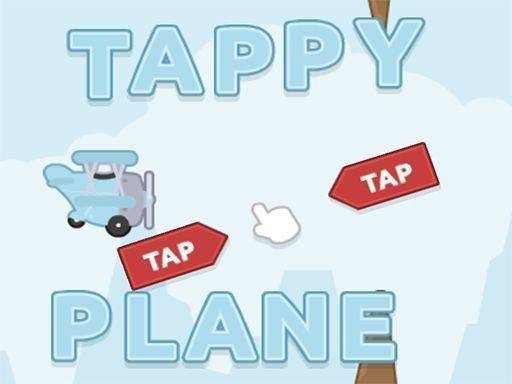
Tap Flyer Challenge centers on a single action: tapping the screen to make your plane rise. Releasing the tap lets it descend naturally. This simple input method creates a surprisingly deep gameplay loop where every tap matters. The plane moves smoothly through the air, and the responsive controls give you precise command over its altitude. There are no complex button combinations or menus to navigate. You focus entirely on the relationship between your taps and the plane's position. This design makes the game accessible to anyone who can tap a screen, while offering enough nuance for those who want to master the timing.
Obstacle Patterns and Progression
The obstacles in Tap Flyer Challenge appear as gaps between solid structures, similar to pipes or walls. These gaps vary in height and position, requiring you to adjust your plane's altitude quickly. As you progress, the obstacles become more frequent and the gaps narrower. The game does not introduce new obstacle types or power-ups. Instead, it relies on increasing speed and tighter spaces to raise the difficulty. This approach keeps the challenge pure and skill-based. Each run feels different because the obstacle layout is procedurally generated, ensuring no two sessions are identical. The escalating pace demands faster reactions and more precise taps as you advance.
Visual Style and Atmosphere
The game presents a bright, colorful world that feels welcoming and energetic. The plane and obstacles stand out clearly against the background, making it easy to track your position at a glance. The visual design avoids clutter, keeping the screen clean so you can focus on the action. The color palette shifts slightly as you progress, adding subtle variety without distracting from gameplay. The overall aesthetic supports the game's family-friendly nature, creating an environment that appeals to players of all ages. The cheerful look contrasts nicely with the increasing challenge, encouraging you to keep trying after each setback.
Session Structure and Replay Value
Tap Flyer Challenge is built for quick play sessions that can extend into longer runs. Each attempt lasts as long as you can avoid obstacles, with no predetermined endpoint. The game ends immediately upon collision, and you can restart instantly with a single tap. This structure encourages repeated attempts, as each run offers a fresh chance to improve your distance. There are no lives, continues, or checkpoints. Every session is a clean slate, which reduces frustration and promotes focus on incremental progress. The lack of extraneous features keeps the experience streamlined, letting the core gameplay shine through repetition.
Skill Development and Mastery
Success in Tap Flyer Challenge depends on developing a feel for the plane's movement and the obstacle rhythm. Beginners may find themselves tapping too quickly or too slowly, leading to early collisions. With practice, players learn to use short, controlled taps for fine adjustments. The key is maintaining a steady altitude while anticipating upcoming gaps. The game rewards patience and consistent timing rather than frantic tapping. As speed increases, you must trust your reflexes and avoid overcorrecting. This gradual skill progression gives each player a clear path from novice to expert, with the high score serving as a personal benchmark for improvement.




Comments
Sign in to leave a review
No account? Create one
No comments yet.