
Reviews
Color Grid Tactics strips tile-matching down to a clean, thoughtful loop: slide a tile, form a line of five or more, clear it, and watch the board refill. The random layouts and open-ended scoring give it lasting replay value, while the absence of timers keeps sessions relaxed. Its main limitation is that it offers no levels or story, so players seeking structured progression may find it too open. Ideal for casual puzzle fans who enjoy planning several moves ahead.
About this game
Sliding Tiles, Building Lines
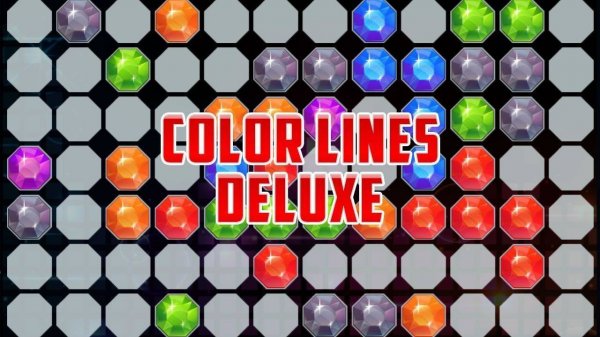
Every move in Color Grid Tactics starts with a single tile. You select one and slide it into an adjacent empty space. The aim is to line up five or more tiles of the same color horizontally, vertically, or diagonally. When that happens, the matched tiles vanish and you collect points. Empty spaces then refill with new tiles, so the board keeps changing after every action. The loop is simple to grasp but never static: place, match, clear, refill.
Why Placement Matters
Because each slide reshapes the grid, a move that creates a match now can block a bigger one later. Strong play means reading the whole board, not just the nearest empty cell. You weigh immediate points against keeping lanes open for future lines. That tension between short-term clearing and long-term board control is what separates Color Grid Tactics from simpler matching puzzles.
Reading the Board at a Glance
The visual design supports that thinking. Tiles are bright and clearly distinguishable, the grid is well defined, and the interface responds smoothly to input. There are no distracting animations or unnecessary elements competing for attention. The result is a calm, accessible look that keeps focus on logic rather than spectacle, which suits players of any age who enjoy thoughtful puzzle solving.
Fresh Boards, Open-Ended Runs
Each session begins with a randomly generated layout, so memorizing patterns will not carry you far. You adapt your strategy to whatever arrangement appears. Scoring rewards efficiency: longer lines pay more than shorter ones, and clearing multiple lines in one move adds bonus points. There are no levels or fixed endpoint. The challenge is to score as high as possible before the board fills completely, an open structure that appeals to players who like setting personal goals and tracking improvement over time.
Compatibility
FAQ
Comments
Sign in to leave a review
No comments yet.







Editorial Notes